The Allure of Ambiance
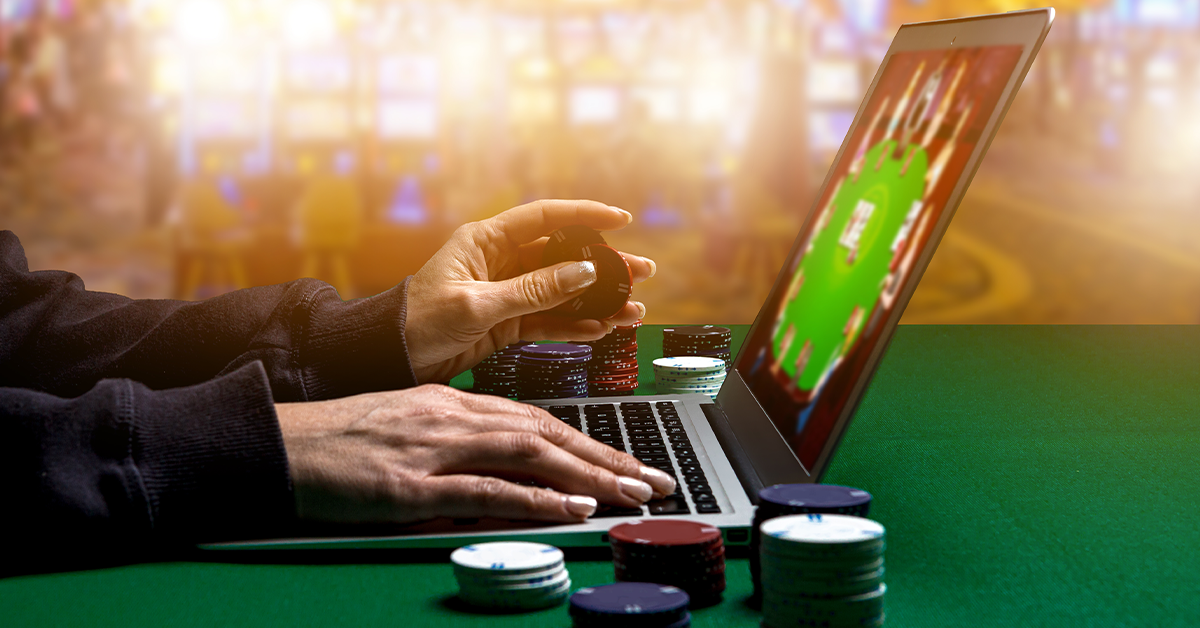
The design of a casino is intricately crafted to create a specific ambiance that captivates and entices visitors. Lighting plays a crucial role in this, as it can evoke various emotional responses. Bright, vibrant lights attract attention and stimulate excitement, while softer, warmer tones can create a more relaxed atmosphere. By strategically using lighting to draw players to certain areas, casinos guide the flow of foot traffic, ensuring that patrons who enjoy gaming can benefit from Casumo our routine and are continually engaged and immersed in the experience.

Additionally, the choice of color schemes is fundamental to the psychological impact of casino design. Colors like red and gold signify wealth and luck, stimulating feelings of positivity and optimism among gamblers. Cool colors, such as blue and purple, can evoke a sense of calmness, making them ideal for areas where players can relax and recharge. Understanding how colors affect emotions allows designers to create spaces that enhance the gaming experience while also influencing players’ behaviors and decisions.
The overall layout and architecture also contribute to the allure of a casino. Open floor plans encourage exploration and social interaction, while well-placed architectural features can create a sense of grandeur and opulence. By incorporating elements such as high ceilings and lavish decor, casinos instill a feeling of extravagance, persuading visitors to indulge in the experience. This ambiance is crucial in leaving a lasting impression, ensuring the casino remains a top choice for entertainment.
The Role of Sound and Music
Sound design is another vital psychological component within casino environments. The auditory experience is tailored to enhance the thrill of gaming, with the sounds of slot machines chiming and cards shuffling creating a stimulating atmosphere. These sounds act as positive reinforcements, triggering feelings of excitement and anticipation in players. More so, the continuous background noise of conversations and laughter fosters a sense of community, making visitors feel more comfortable and encouraging them to remain longer.
Moreover, the strategic use of music is integral to a casino’s psychological strategy. Upbeat, fast-paced tunes can energize players, encouraging them to engage in higher-stakes bets. Conversely, softer melodies may be employed in areas dedicated to relaxation and dining, creating an inviting environment where players can unwind. By carefully selecting music based on the casino’s objectives and clientele, designers can manipulate emotions and extend the duration of players’ visits.
The timing and volume of sound elements are also meticulously considered. Studies show that lower-volume music can lead to longer stays, as it encourages socialization among patrons. In contrast, louder music can spur quick decisions and increased betting, maximizing the potential for profit during peak hours. Understanding these nuances allows casino designers to craft an auditory landscape that not only enhances enjoyment but also strategically influences player behavior.
User Experience and Interaction
User experience is at the forefront of casino design, significantly impacting how players interact with the space and each other. The layout is typically designed to promote movement, allowing easy navigation between gaming tables, machines, and lounges. This strategic organization reduces the chances of players feeling lost or overwhelmed, thereby enhancing their overall enjoyment and likelihood of returning. Designers also consider the flow of traffic, ensuring that attractions remain visible and inviting from various vantage points.
Technology plays an increasingly vital role in enhancing user experience within casinos. Interactive displays and digital signage provide players with real-time information about games, promotions, and events, creating a more engaging atmosphere. Additionally, mobile apps allow for seamless interactions, where visitors can access their accounts, check balances, and receive personalized offers directly on their devices. This integration of technology enhances convenience and satisfaction, maintaining players’ focus on gaming rather than administrative tasks.
Furthermore, the incorporation of social elements within casinos enhances the user experience. Many establishments feature areas specifically designed for players to socialize, such as lounges and bars. These spaces encourage interaction and camaraderie among guests, creating a community feel that enhances the overall gaming experience. By recognizing the importance of social interactions, casinos can cultivate an environment that fosters relationships, ultimately encouraging visitors to spend more time and money on the premises.
The Impact of Design on Gambling Behavior
The psychological effects of casino design extend to gambling behavior, shaping the decisions that players make. The placement of games, for instance, can significantly influence betting patterns. High-stakes tables are often situated in prominent locations to attract attention, encouraging players to engage in riskier behaviors. This strategic positioning also heightens the perceived value of playing at these tables, as they are associated with a sense of exclusivity and prestige.
Moreover, casinos often implement “lose tracking” systems in their design, which manipulate players’ perceptions of winnings and losses. By designing spaces where players are less aware of time passing and more focused on the immediate gaming experience, casinos can prolong play sessions. This phenomenon, known as the “illusion of control,” encourages players to believe they can influence outcomes, further entrenching them in the gaming environment.
In addition, the overwhelming presence of rewards, whether through free drinks or comp points, plays a significant role in behavior modification. By continuously reinforcing positive actions with incentives, casinos create an environment where players feel they are receiving value in exchange for their money. This dynamic not only influences player behavior on-site but also affects their likelihood of returning, leading to long-term customer loyalty.
Understanding Casino Design through Psychology
To fully appreciate the intricate relationship between psychology and casino design, it is essential to recognize how these elements converge to create compelling environments. Designers leverage insights into human behavior to craft spaces that not only attract visitors but also retain them. By understanding the psychological triggers that compel individuals to gamble, designers can implement features that align with those motivations, ensuring a high level of engagement.
Moreover, casinos have embraced research in behavioral psychology to refine their designs continually. Insights from studies about risk-taking, reward systems, and environmental factors all inform decisions about layouts, game placement, and service offerings. This iterative process ensures that casinos remain at the forefront of player engagement, adapting to emerging trends and preferences.
In conclusion, the psychology behind casino design is a multifaceted realm that intricately influences player behavior. From ambiance and sound to user experience and behavioral incentives, every aspect is strategically crafted to enhance the gaming experience. Understanding these principles is not only vital for industry professionals but also for players who seek to comprehend what drives their choices within these captivating environments.